
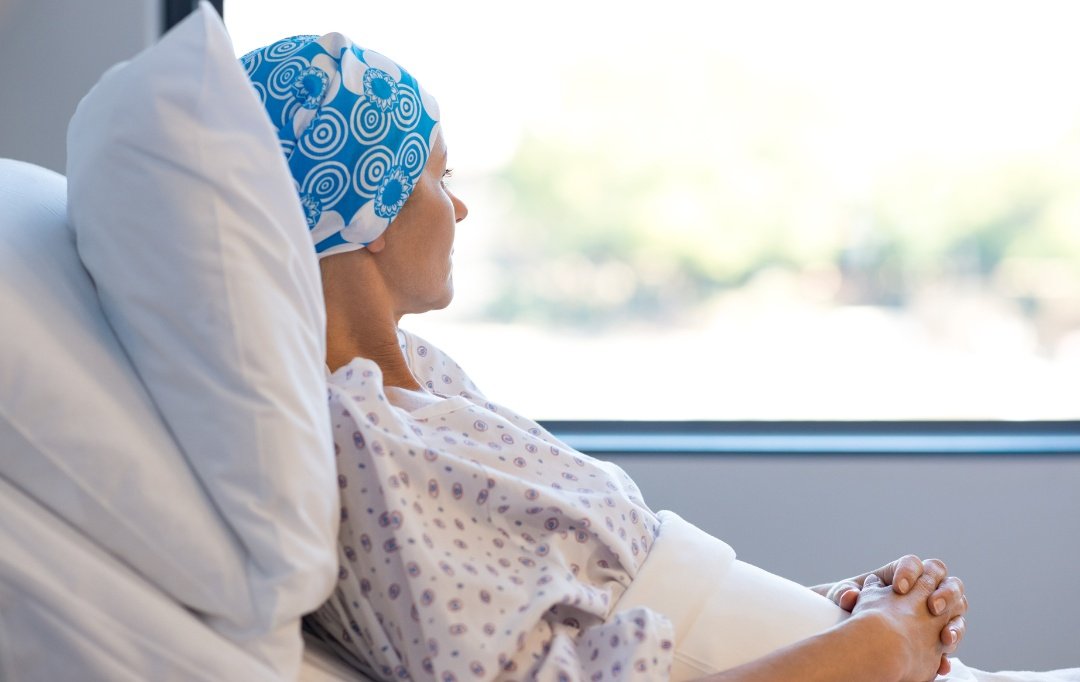
Cancer. This term strikes fear into the hearts of many, is a complex and formidable foe. It’s a disease characterized by the uncontrolled growth and spread of abnormal cells, disrupting the body’s delicate balance and often leading to devastating consequences. Understanding this “growing monster” is crucial for prevention, early detection, and effective treatment.
The Cellular Basis of Cancer
At its core, cancer is a disease of the genes. Mutations in DNA, the blueprint of life, can disrupt the normal regulatory mechanisms that control cell growth and division. These mutations can be inherited, but they are more often acquired throughout life due to exposure to carcinogens like tobacco smoke, radiation, and certain chemicals.
- Oncogenes: These mutated genes act like accelerators, driving uncontrolled cell proliferation.
- Tumor Suppressor Genes: These genes normally function as brakes, preventing excessive cell growth. When mutated, they lose their ability to control cell division.
The Hallmarks of Cancer
Cancer cells exhibit a set of distinct characteristics that enable them to survive and thrive:
- Sustaining Proliferative Signalling: Cancer cells acquire the ability to grow and divide without external signals, leading to uncontrolled proliferation.
- Evading Growth Suppressors: They bypass the normal mechanisms that restrain cell growth, ignoring signals to stop dividing.
- Resisting Cell Death: Cancer cells evade apoptosis, the programmed cell death process that eliminates damaged or unnecessary cells.
- Enabling Replicative Immortality: They acquire the ability to divide indefinitely, unlike normal cells that have a limited lifespan.
- Inducing Angiogenesis: Cancer cells stimulate the formation of new blood vessels, ensuring a steady supply of nutrients and oxygen to support their growth.
- Activating Invasion and Metastasis: They gain the ability to invade surrounding tissues and spread to distant sites in the body, forming new tumors (metastasis
Types of Cancer
Cancer can arise in virtually any tissue or organ in the body. Broadly, cancers are classified by the type of cell they originate from:
- Carcinomas: Originate in epithelial tissues, which line the surfaces of organs and cavities. Examples include lung cancer, breast cancer, and colorectal cancer.
- Sarcomas: Arise from connective tissues like bone, cartilage, and muscle. Examples include osteosarcoma (bone cancer) and liposarcoma (fatty tissue cancer).
- Leukemias: Cancers of the blood-forming cells in the bone marrow. These cancers often involve an overproduction of white blood cells.
- Lymphomas: Cancers of the lymphatic system, which is part of the immune system. Hodgkin lymphoma and non-Hodgkin lymphoma are common types.
- Brain and Spinal Cord Tumors: Cancers originating in the central nervous system. These can be benign (non-cancerous) or malignant (cancerous).
Diagnosis and Prognosis
Early detection is crucial in improving cancer outcomes. Diagnosis often involves a combination of:
- Physical Examination: Palpation for lumps or abnormalities.
- Imaging Tests: X-rays, CT scans, MRIs, PET scans, and ultrasounds to visualize internal structures.
- Laboratory Tests: Blood tests, urine tests, and tumor markers to identify abnormalities.
- Biopsy: Surgical removal of a tissue sample for microscopic examination to confirm the presence of cancer cells.
Prognosis, the likely course of the disease, depends on various factors:
- Cancer Type and Stage: The extent of the cancer at diagnosis (localized, regional, or distant spread).
- Tumor Grade: How abnormal the cancer cells appear under a microscope.
- Patient’s Overall Health: Age, pre-existing conditions, and response to treatment.
Treatment Options
Cancer treatment is highly individualized and may involve one or a combination of approaches:
- Surgery: Removal of the tumor and surrounding tissues. This is often the primary treatment for localized cancers. Example: Lumpectomy or mastectomy for breast cancer.
- Radiation Therapy: Uses high-energy rays to kill cancer cells. It can be used alone or in combination with other treatments. Example: External beam radiation for prostate cancer.
- Chemotherapy: Uses drugs to kill cancer cells. It is often used to treat cancers that have spread. Example: Combination chemotherapy regimens for leukemia.
- Targeted Therapy: Uses drugs that specifically target molecules involved in cancer cell growth. Example: Tyrosine kinase inhibitors for chronic myeloid leukemia.
- Immunotherapy: Stimulates the body’s immune system to fight cancer. Example: Immune checkpoint inhibitors for melanoma.
- Hormone Therapy: Uses hormones to block or slow cancer growth. Example: Tamoxifen for estrogen receptor-positive breast cancer.
- Stem Cell Transplant: Replaces damaged bone marrow with healthy stem cells. Example: Autologous stem cell transplant for multiple myeloma.
- Palliative Care: Focuses on relieving symptoms and improving quality of life for patients with advanced cancer.
The Growing Burden of Cancer
Cancer is a leading cause of death worldwide, accounting for millions of fatalities each year. The World Health Organization estimates that the global cancer burden will continue to rise in the coming decades, driven by factors such as population aging, lifestyle changes, and environmental exposures.
Fighting the Monster: Advances in Cancer Treatment
Despite the challenges posed by cancer, significant progress has been made in its treatment and management. Advances in surgery, radiation therapy, chemotherapy, targeted therapies, and immunotherapy have improved survival rates and quality of life for many cancer patients.
- Targeted Therapies: These drugs specifically target molecules involved in cancer cell growth and survival, offering more precise and effective treatment with fewer side effects.
- Immunotherapy: This approach harnesses the power of the body’s immune system to fight cancer, either by stimulating the immune response or by providing immune cells that can recognize and destroy cancer cells.
The Future of Cancer Care
The fight against cancer is an ongoing battle, but researchers continue to make strides in understanding its complexities and developing new approaches to prevention, detection, and treatment. The future of cancer care holds promises for even more effective and personalized therapies, leading to improved outcomes and ultimately, a world where cancer is no longer a feared and deadly disease.
References
- Hanahan, D., & Weinberg, R. A. (2000). The hallmarks of cancer. Cell, 100(1), 57-70.
- Hanahan, D., & Weinberg, R. A. (2011). Hallmarks of cancer: the next generation. Cell, 144(5), 646-674.
- World Health Organization. (2022). Cancer. (https://www.who.int/news-room/fact-sheets/detail/cancer)
- National Cancer Institute. (2024). Types of Cancer. (https://www.cancer.gov/types)
Disclaimer: This article provides a general overview of cancers. For specific information about different types of cancer, diagnosis, and treatment options, consult a qualified healthcare professional.

